
How a Backwater Valve Protects Your Richmond Hill Home
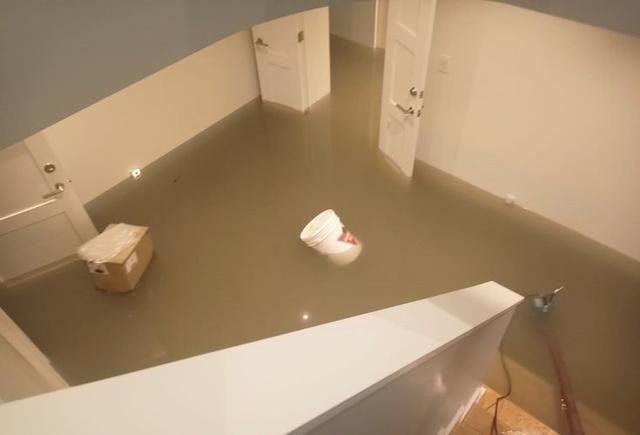
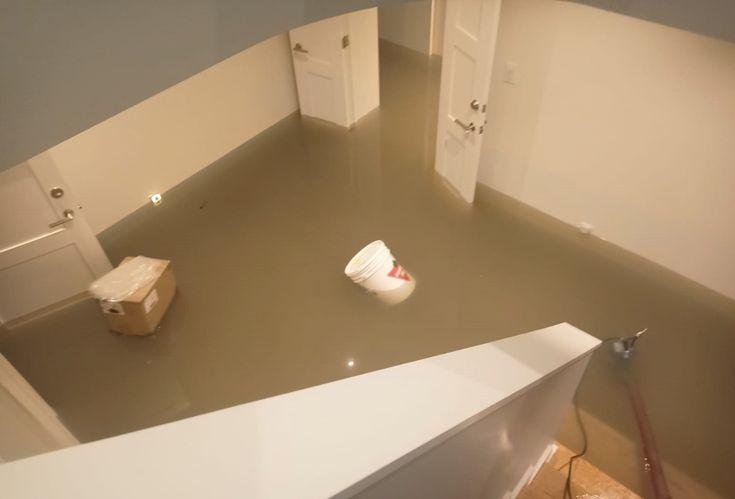
Your sewer line normally flows one way — out of your house. During extreme rain or snowmelt, the city main can temporarily fill beyond capacity, and that pressure pushes sewage backward through every open connection in your basement: floor drains, toilets, laundry sinks. A backwater valve sits on your main line with a hinged gate that swings shut the instant reverse flow begins. When the surge passes, it swings open again. It has no motor, no power dependency, and nothing to maintain beyond a periodic glance during cleaning. Homes in lower-lying parts of Richmond Hill — particularly around Mill Pond, Langstaff and the older grid near Crosby — benefit most, but storm-driven backups have hit homes across the city.
The City of Richmond Hill Subsidy — Up to $1,500
The City of Richmond Hill offers a Backwater Valve Program that rebates up to $1,500 (and additional amounts in some cases) toward installation by a licensed plumber. The essentials: the property is typically an owner-occupied single-family home; the valve must be installed to City standards with a permit; and you submit the application with your invoice and permit documents. We install compliant valves, pull the permit, and give you the complete paperwork package for the claim — most of our customers' effective out-of-pocket cost drops dramatically once the rebate lands.
Backwater Valve Pricing and What's Included
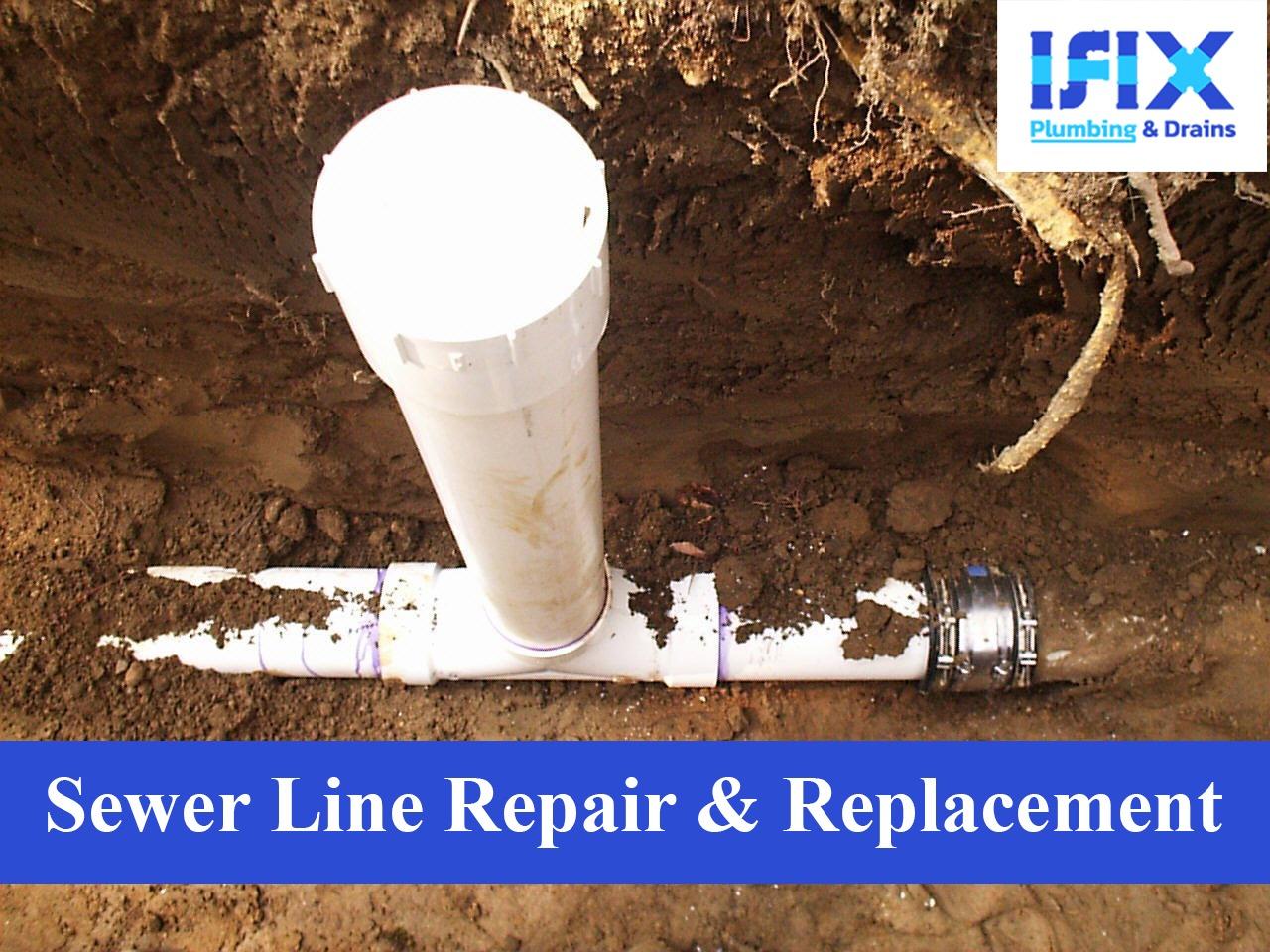
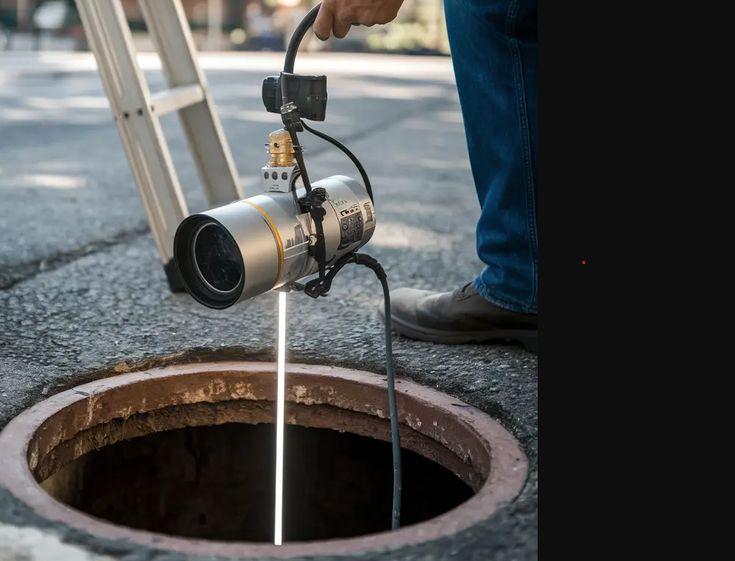
Installation starts from $1,200 before the City subsidy — final flat-rate quote depends on your line's depth, access and material (clay laterals in older homes can require more excavation work than newer ABS lines). Every installation includes the permit, the valve itself, code-compliant fitting, and the documentation package for your subsidy claim. Call 647-691-2141 and we'll give you a firm number, often with a camera inspection to confirm your line layout first.
Permits, Inspections and the Ontario Building Code — Handled
Here's the detail most homeowners learn the hard way: a backwater valve installed without a permit doesn't qualify for the City subsidy — and unpermitted sewer work can complicate a future home sale. Richmond Hill's program specifically requires a building permit pulled before installation, and a City plumbing inspector confirming the work meets the Ontario Building Code. Some installers skip this to quote lower; their customers find out when the subsidy claim is rejected. Every iFix installation includes the permit, code-compliant fitting, and the inspection documentation — the same paperwork package the City expects to see with your claim.
Backwater Valve vs. Sump Pump: You Probably Need Both
| Backwater valve | Sump pump | |
|---|---|---|
| Protects against | Sewage surging back from the city main | Groundwater rising under your foundation |
| Power needed | No — purely mechanical | Yes — battery backup covers outages |
| When it matters most | Heavy storm surges on the sewer system | Spring melt, heavy rain, high water table |
After major storm events we've seen Richmond Hill homes with excellent sump pumps still take sewage through floor drains — the two systems guard different failure modes. Homes in lower-lying areas of Mill Pond, Langstaff and the older grid near Crosby benefit most from the valve; Oak Ridges and Jefferson homes on the moraine typically prioritize the sump system. We assess both on one visit.
How It Works — From Call to Fixed
- 1
Camera inspection
We confirm your line's material, depth and the ideal valve location.
- 2
Permit & flat-rate quote
City permit pulled, written price agreed — from $1,200 before subsidy.
- 3
Install to code
Code-compliant valve fitted, tested under flow, area restored.
- 4
Subsidy paperwork
Complete documentation package so you claim up to $1,500 from the City.